

Default Mode
( ꩜ ᯅ ꩜;)


There is a story everyone already knows. It goes like this: the apps hijack your dopamine, your brain becomes a slot machine, you do a detox, you reclaim your focus. It is a clean story. It fits inside a caption. It is also, mostly, wrong - and the wrongness is the interesting part.
The detox story is itself fast content. It takes something slow and strange and compresses it into a moral with a villain (the algorithm) and a cure (willpower). The real thing has worse resolution and more texture. Which is exactly why it's worth digging into.
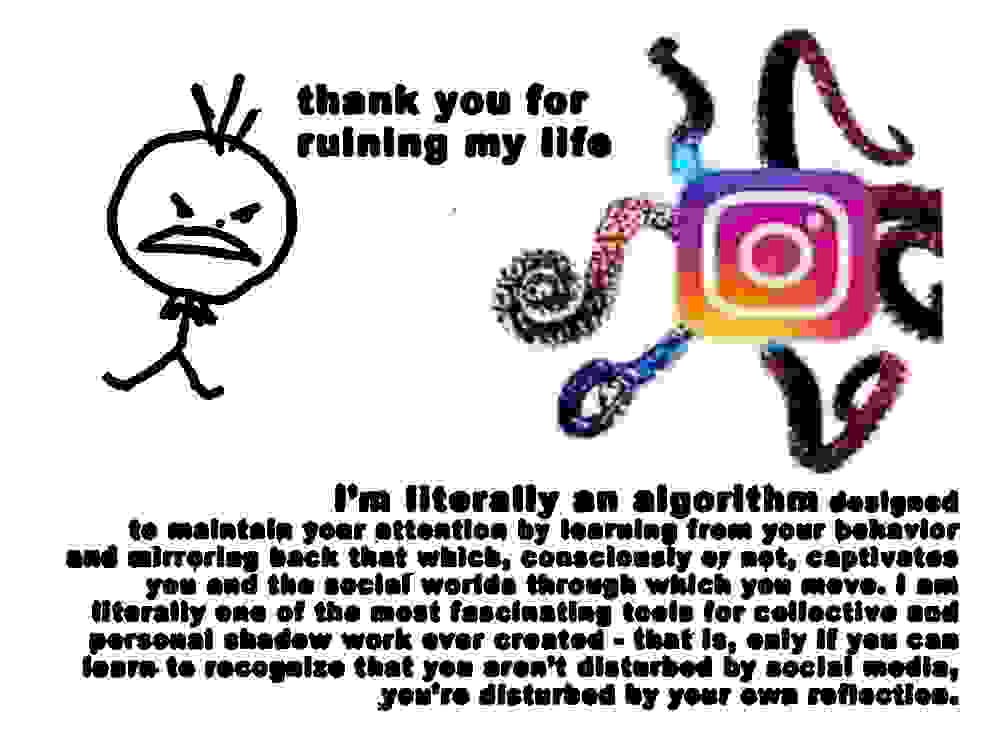
Everyone thinks dopamine is about pleasure.
It never was.
Pop-neuroscience treats dopamine as the molecule of reward - the hit you chase, the little payoff that lights you up. Researchers stopped believing that a long time ago. Dopamine tracks anticipation, not pleasure. The lean-forward. The not-yet. The maybe. It spikes hardest not when you get the thing, but in the moment you might.
A feed is built entirely on might. You pull to refresh and something might be there. Usually it is nothing. The nothing is the point - because a reward that arrives every single time stops producing the lean-forward. Make it unpredictable and the wanting goes up, not down.
This is variable-ratio reinforcement, one of the oldest findings in behavioural psychology - the same schedule that keeps a pigeon pecking a lever and a gambler in a chair. Intermittent reward is more compulsive than reliable reward. Engineers know this. The refresh gesture isn't a metaphor for a slot machine. It is one.
The zone
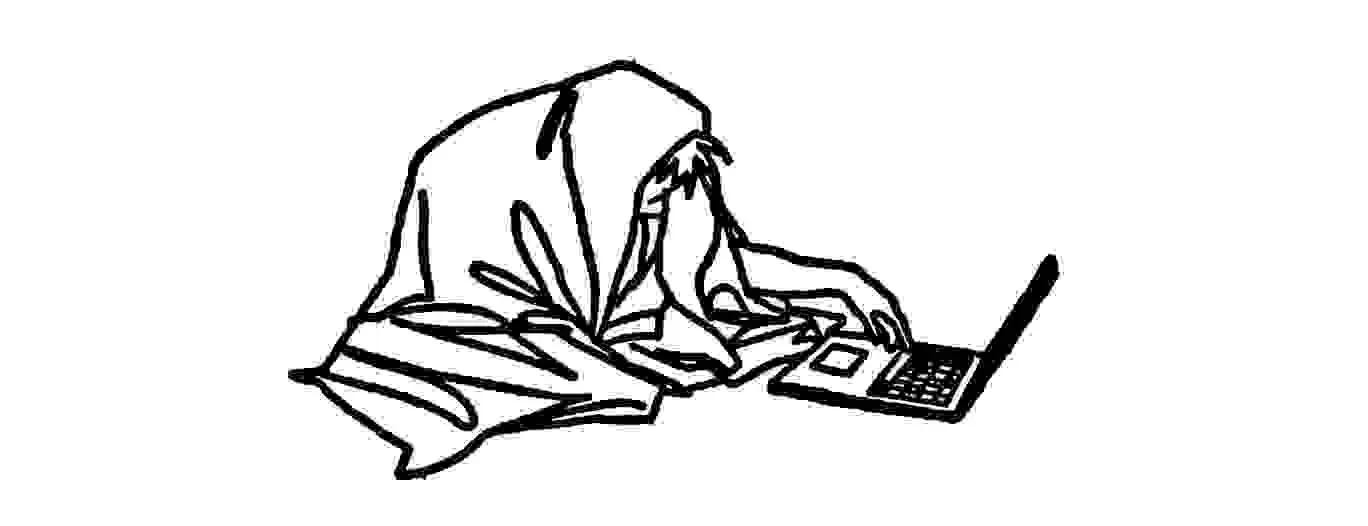
The anthropologist Natasha Dow Schüll spent fifteen years inside Las Vegas, sitting with people at machines. What she found was not a hunger to win. They played to reach what they called the machine zone - a flat, dimensionless calm where the self thins out, time loses its edges, and the body goes quiet. A jackpot would have interrupted it. They weren’t playing to win. They were playing to keep playing.
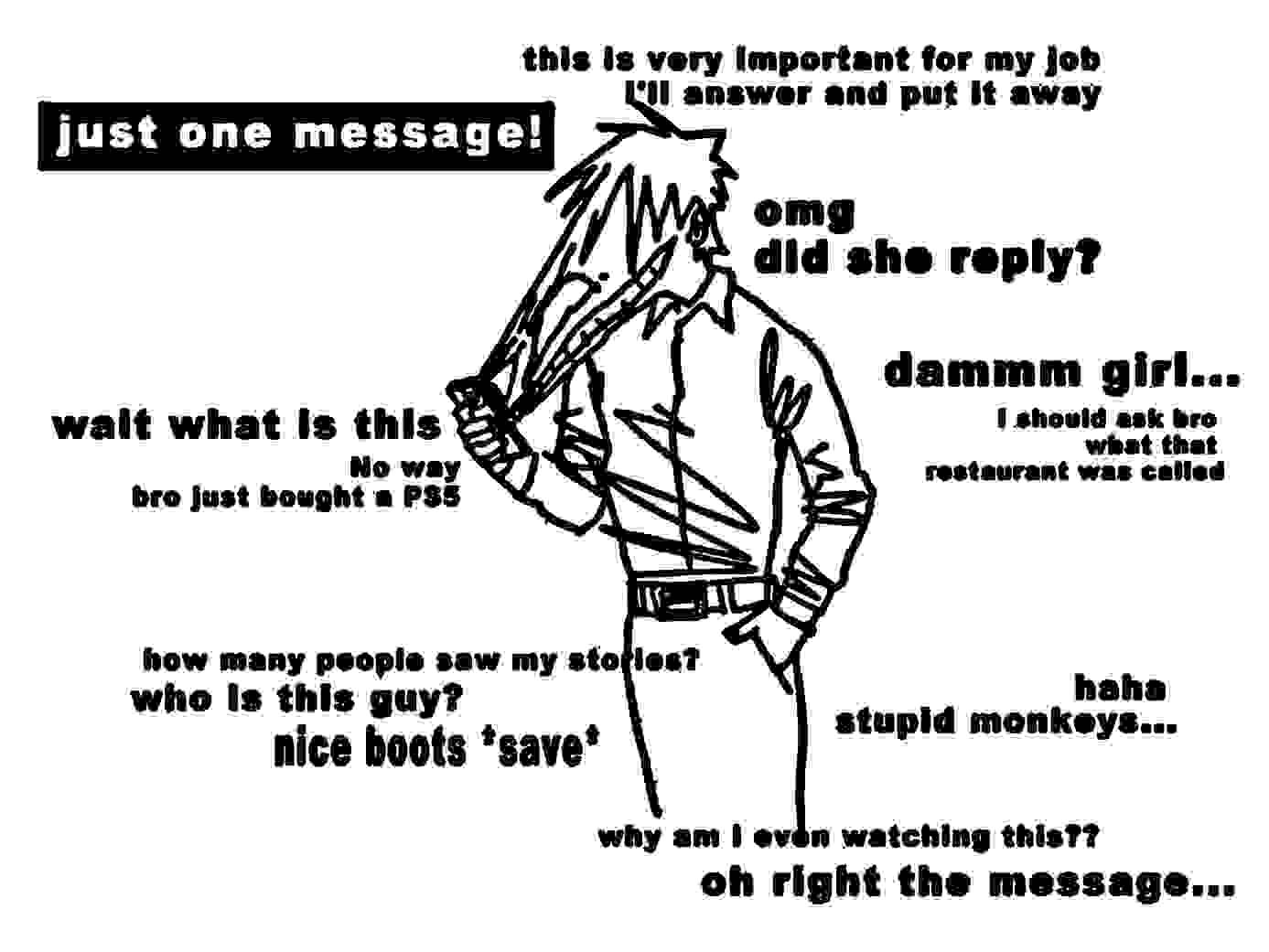
You have been in the zone. You pick up the phone to check one thing, you surface forty minutes later with a faint nausea, and you cannot name a single image you saw. That blankness isn’t a failure of the experience. It is the experience.
Schüll's sharpest move is refusing to put the problem inside the person. She calls it asymmetric collusion - the machine and the user produce the trance together, but only one side designed it. This matters, because it quietly retires the question the detox story can never stop asking: what is wrong with you, where is your willpower. Nothing is wrong with you. You are inside an environment built by hundreds of very intelligent people to be exactly this difficult to leave.
Is it addiction? - the honest answer
Here you have to slow down and refuse the easy yes.
The headline version - phones are handing a whole generation depression - has a serious champion in Jonathan Haidt, and it is not stupid; something real did shift around the early 2010s. But the researchers who ran the large, representative datasets - Amy Orben and Andrew Przybylski at Oxford among them - keep finding the link between screen time and teenage well-being to be real but tiny. In one widely cited pass, about the same size as the association between well-being and eating potatoes, or wearing glasses.
The two camps have argued over the same numbers for years. The fight is mostly about whether small on average is hiding large for some - for teenage girls, for the already-fragile, for specific kinds of use rather than screens in general. The honest position is that both can be true at once. That is the actual shape of the evidence: not a clean clinical disease, not nothing, but something real and unevenly distributed that resists the caption.
So “addiction” is probably the wrong borrowed word. What’s well-supported isn’t a pathology living in your brain. It’s a design - an environment built to capture attention, that works on everyone a little and on some people a lot.
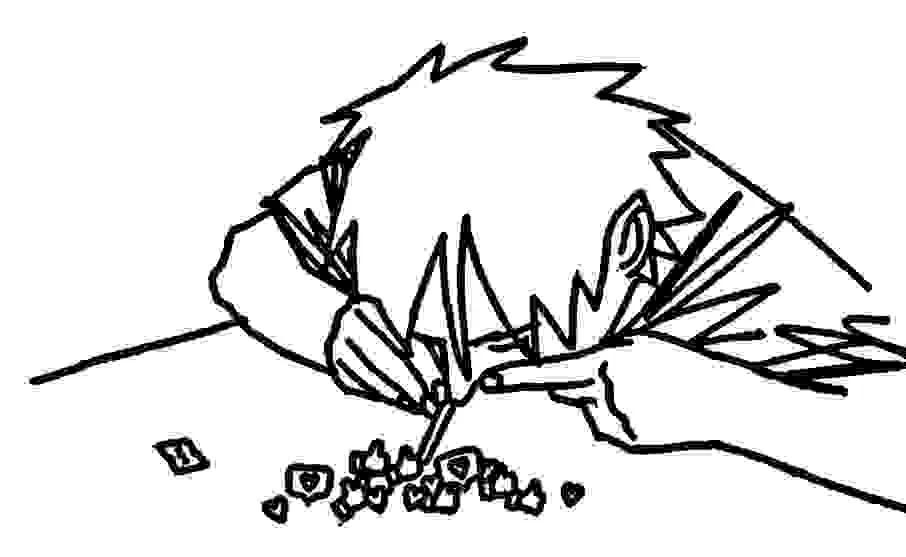
What it actually takes
In 2001 the neuroscientist Marcus Raichle put people in a scanner and asked them to do nothing. The brain did not go quiet. A specific network lit up - later named the default mode network - and it turned out to run during precisely the moments we call empty. Waiting in a queue. Staring out of a train window. The loose minutes before sleep.
This is where the mind assembles a self out of memory, rehearses futures that haven’t happened, and drifts into the slack associations we later recognise as an idea. Boredom is its doorway. Idleness is its fuel. Doing nothing, it turns out, is when the most important work quietly gets done.
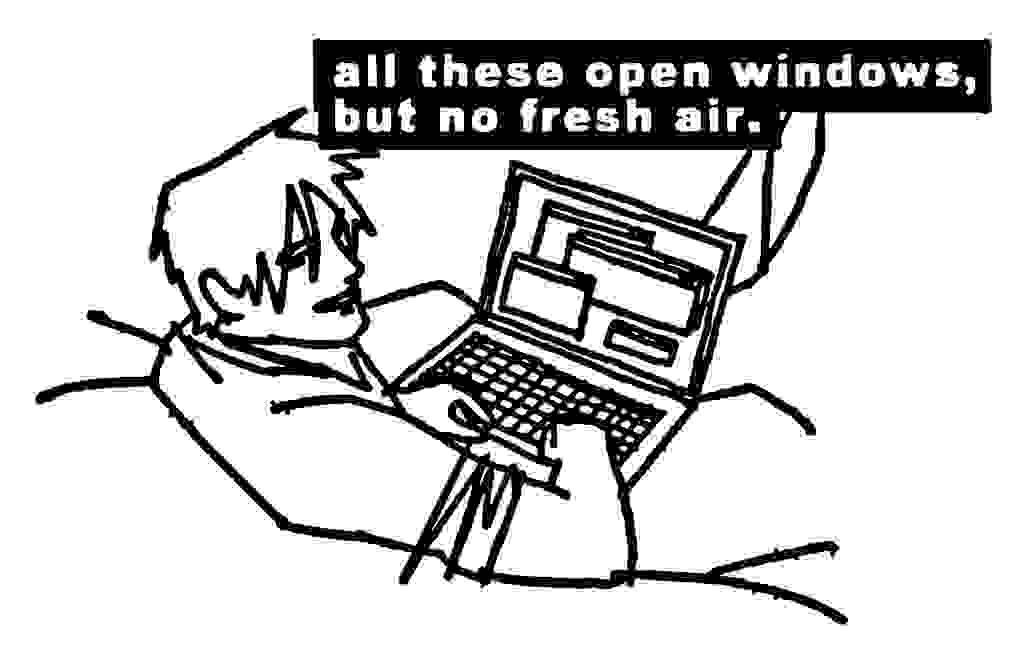
The feed does not occupy your time. It occupies that. It arrives in the exact empty seconds the default mode needs and packs them with someone else’s content, so the lean-forward never softens into a wandering thought. The cost was never the hour. The cost is the quality of the time the hour was made of.
What's left
This is not an argument for quitting. Quitting is just another clean caption - a villain, a cure, a before-and-after photo of someone's attention span. This essay would love to end that way. It can't, honestly.
What it can say is this: the fight was never over your hours. It was over your empty seconds, all the in-between moments you don't notice you have. That is the only real estate the feed actually wants, because that is where the default mode does its slow work of making you a person.
Willpower is the wrong tool, because the problem was never inside you. But environments can be rebuilt by the people who live in them. Friction can be put back where it was removed. Distance can be added between the hand and the lever. Not as productivity, not as optimisation - as reclamation. Getting the empty seconds back is the whole project. There is no second step.
I'd like to tell you I've done this, but I'm not. I wrote parts of this essay in the gaps between refreshes, which is either irony or evidence. Probably both.
Doing nothing was never nothing. It was the part where you became someone. The machine didn't take that from you - it just moved in, one refresh at a time. The seconds are still there, underneath. Nothing is guarding them except the maybe. You just have to want them more.
(social media addiction)
by Sattel
¯\_(ツ)_/¯
 |
|
Ok, I will go for a walk, as soon as finish my feed
Thank you! This is an interesting approach: not just blaming, but looking for reasons.